Church Road Barnes removals access tips
Posted on 04/07/2026
If you are planning a move on or near Church Road in Barnes, access can make the difference between a calm moving day and a slightly chaotic one. The road looks straightforward enough at first glance, but removals in Barnes often come down to the little things: where the van can pause, how far the team has to carry items, whether there is room to turn, and how to avoid blocking neighbours who are trying to get on with their day. That is really what Church Road Barnes removals access tips are about: making the practical side of the move work smoothly, without last-minute surprises.
This guide walks through what matters, how access planning works, and the sensible steps that tend to save time, money, and a fair bit of stress. If you are moving a flat, a family house, or a more delicate item like a piano or large furniture set, the same principle applies: think ahead, keep the route clear, and make it easy for the removals team to do their job properly.
For readers comparing move types, it can also help to look at broader service options such as removals in Barnes, house removals Barnes, or flat removals Barnes before you settle on the right plan. Different property types, different access. Simple as that.
Why Church Road Barnes removals access tips Matters
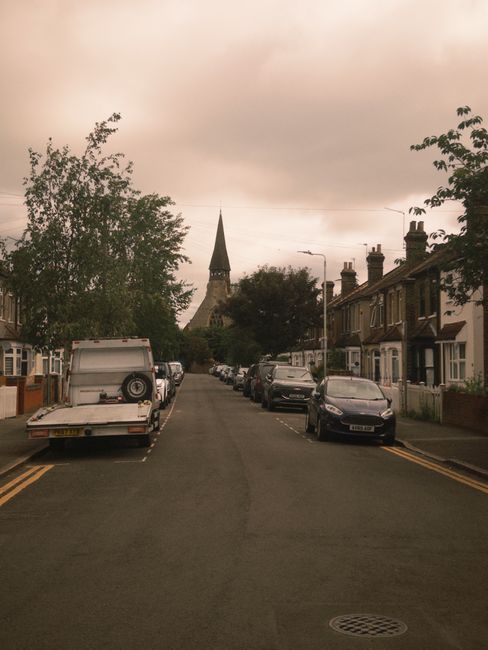
Access is the quiet make-or-break factor in many local moves. On paper, a property may be only a short distance from the road, yet in practice the van might need to stop further away, the crew may need to negotiate narrow kerbs, or the front path could be too tight for larger furniture. Church Road is the kind of place where a move can go very smoothly if you plan for those details, and a bit less smoothly if you just assume the van will park right outside.
Why does that matter so much? Because removals are measured not just in distance, but in labour, time, and handling. The longer the carry, the more likely you are to see delays, fatigue, and extra back-and-forth trips. A short carry keeps things moving. A long carry, especially with wardrobes, sofas, or boxed-up household bits that always seem heavier than they look, can turn a neat schedule into a messy one.
There is also the human side of it. Neighbours, visitors, pedestrians, cyclists, and delivery drivers all have to share the space. Barnes is a lived-in part of London, not a private yard, and the best removals plans take that into account. A move that respects the street tends to feel less tense for everyone involved. You notice the difference right away.
Expert summary: The best access plan is not the fanciest one. It is the one that reduces carrying distance, protects the property, avoids blocking the road, and gives the removals team room to work safely.
If you want to understand the wider local context before moving, a few useful reads include culture, community and character in Barnes and is Barnes a good place to live?. That background can help you anticipate how busy certain streets feel at different times of day.
How Church Road Barnes removals access tips Works
Good access planning starts before move day. It usually means looking at the property, the road layout, and the likely loading point, then matching that to the size of vehicle and type of move. In practice, the process is fairly simple, but each part matters.
1. Check the approach to the property
Look at the street outside the address and ask a few practical questions. Can a van stop without causing a problem? Is there room for the rear doors to open safely? Are there railings, steps, low walls, or tight corners that could slow the team down? Even a small bottle-neck at the gate can add time if the team has to carry every item one by one in a narrow line. Not ideal.
2. Measure the carry distance
Carry distance is the gap between where the van stops and where items are collected from the property. If the van must park farther away because of traffic or road width, that extra distance becomes part of the job. You do not need architectural precision here; a rough but honest estimate is enough. The key is to tell the removals team early rather than hoping it will all work out on the day.
3. Match the vehicle to the job
A smaller vehicle can sometimes be the smarter choice on tighter residential streets, especially if access is awkward. In other situations, a larger van is still the best option because it reduces the number of trips. This is where a properly planned service matters. For lighter, smaller-scale moves, a man and van Barnes option may suit you better; for fuller house moves, a dedicated team may be the more efficient route.
4. Book with timing in mind
Timing is a big part of access. Busy school-run periods, commuter hours, and the normal daily rhythm of local traffic can all affect how easy it is to load. If you can avoid peak pressure, do so. If you cannot, build in a bit of breathing room. A move at 8am feels different from one at midday, and that is not just a feeling - it changes the whole street flow.
5. Keep the exit route clear
Once inside the property, the route from room to door should be as open as possible. Remove loose rugs, secure pets, shift hallway clutter, and make sure boxes are stacked out of the way. It sounds obvious, but in the middle of moving day people forget. Then someone is trying to squeeze a mattress past a hallway full of lamp shades and half-filled recycling bags. Happens all the time.
Key Benefits and Practical Advantages
Getting access right does more than protect the schedule. It makes the move feel more controlled, and that matters when you are juggling keys, utilities, children, pets, and maybe a landlord or solicitor who wants everything done by lunchtime.
- Less handling damage: Shorter carries and clearer routes reduce the chance of scuffs, knocks, and dropped items.
- Faster loading: If the van can park sensibly, the team spends more time moving items and less time shuttling.
- Lower stress: There is less last-minute panic about parking, neighbours, or blocked entrances.
- Better safety: A clear route is safer for everyone, especially on stairs, kerbs, and tight front paths.
- More accurate quotes: Clear access details help removals companies price the job more realistically from the start.
That last point is often overlooked. If access is awkward and nobody mentions it, the quote may look fine initially but the day can become strained. Honest access information helps the removals team plan properly and keeps expectations realistic. It also gives you a better basis for comparing options like pricing and quotes or checking the fit between a move and services such as removal services Barnes.
Who This Is For and When It Makes Sense
These tips are useful for almost anyone moving on Church Road, but they are especially valuable if your property has any access complication at all. You will want to think carefully if you are dealing with:
- a first-floor or upper-floor flat
- a narrow front garden or steps to the entrance
- a shared driveway or limited parking bay
- large furniture, antiques, or awkwardly shaped items
- a same-day handover with tight timing
- student or short-term accommodation where move-in windows are strict
- an office move with equipment and boxed files
Students, for example, often underestimate how much the front door, stairs, and hallway matter. The move itself might not be huge, but a cramped stairwell can make even a light job feel clumsy. If that sounds familiar, student removals Barnes is worth looking at. Office moves are similar in a different way: fewer sofas, more cables, monitors, chairs, and the odd box that turns out to contain every charger known to humankind. A planned approach is still the answer, which is why office removals Barnes can be relevant even for smaller businesses.
Households upgrading to larger furniture should also think about access before the item arrives, not after. A beautiful new wardrobe is much less beautiful when it will not clear the landing. If you are buying with future moving needs in mind, the local property guides on navigating Barnes real estate and buying real estate in Barnes can be surprisingly helpful.
Step-by-Step Guidance
If you want a practical process rather than theory, use this sequence. It is not glamorous, but it works.
- Walk the access route yourself. Start at the road and walk all the way to the front door. Notice the width, steps, gates, turns, and anything that could slow a carry.
- Measure the obvious pinch points. Doorways, hallways, stair turns, lift entrances, and landings matter more than most people think. A tape measure helps, though a careful visual check is better than nothing.
- Identify parking or stopping options. Think about where the vehicle can pause safely and what would happen if that space were occupied.
- Tell the removals team the awkward bits. Be honest about the narrow stairs, heavy mirror, or piano. No drama needed. Just facts.
- Prepare the property the night before. Clear corridors, label boxes, and make sure there is a clean path from each room to the exit.
- Separate fragile or high-value items. Keep them visible and mention them early so they are handled with care.
- Confirm the timing window. Ask what time the van is likely to arrive and whether the route is expected to be busier at that point.
- Have a fallback for parking problems. If the closest space is gone, know your next-best option rather than starting from scratch.
A small but useful tip: if you are moving from a building with a buzzer, shared entry, or concierge arrangements, make sure the moving team understands the access process in advance. Nothing kills momentum quite like a van full of boxes and nobody able to get through the front door because the intercom instructions were in someone's coat pocket. Bit of a classic, really.
Expert Tips for Better Results
Here is where the practical nuance comes in. These are the small decisions that often separate a smooth move from a stressful one.
Use the shortest safe carry, not just the nearest space
The temptation is to chase the closest possible parking spot. Sometimes that is right. Sometimes it is not. A slightly farther stop with easier loading can actually be quicker than a difficult space right outside the property. If the van would need to reverse into a tight patch or block the path awkwardly, that extra closeness may not help at all.
Think in layers: street, doorstep, hallway, room
Access problems rarely live in just one place. The street might be fine, but the hallway may be too narrow. Or the doorway could be fine, but the stair bend catches a sofa. Review each layer separately. It sounds a little formal, yet in practice it stops you missing the obvious.
Protect surfaces before the first item moves
Card, floor covers, and door protection are simple but worthwhile. In older Barnes homes, corners and frames can be vulnerable to incidental scuffs. If your property has polished floors or painted walls close to the exit, take a minute to protect them. That minute can save a lot of annoyance later.
Bundle items by room and by weight
Clear labelling helps the crew place items where they belong at the new address, but it also helps with access. Heavy boxes should not be buried under light ones in a way that forces awkward lifting. Grouping items sensibly makes the whole movement cleaner. There is a rhythm to a good move, and yes, you can feel it when it is working well.
Be realistic about bulky furniture
If a wardrobe, piano, sofa, or large dining table is involved, measure it properly and compare that against the route. For delicate or oversized items, specialist handling may be the wiser choice. You can explore that through furniture removals Barnes or piano removals Barnes if your move includes awkward or valuable pieces.
Ask about backup support if access changes suddenly
Access can change due to roadworks, deliveries, or even an unexpected neighbourly parking situation. It happens. So having a team that can adapt, or a vehicle plan that can be adjusted, is worth more than a promise that everything will be easy. In moving, flexibility is not a luxury, it is part of the job.
Common Mistakes to Avoid
Most access problems are avoidable. They are rarely dramatic disasters; more often, they are the sort of small oversights that pile up.
- Assuming the van can stop outside the door. That may be true, but do not treat it as guaranteed.
- Not mentioning stairs, lifts, or split-level layouts. These details affect time and handling more than people expect.
- Leaving the hallway full of loose items. Shoes, umbrellas, recycling bags, and half-packed boxes get in the way.
- Forgetting to clear parking permissions or building instructions. Even if no formal permit is needed, someone still needs to know where the vehicle should go.
- Booking too tightly around completion or handover. If there is no margin for traffic or loading delays, pressure rises very quickly.
- Ignoring weather. A wet doorstep or slippery path changes how a team handles loading. London drizzle, to be fair, is not exactly rare.
Another common one: people tidy too much into the wrong place. Boxes are stacked in the hallway because it seems neat, but now the hallway is the problem. Better to keep routes open and staging areas obvious. A move should feel like a sequence, not a puzzle.
Tools, Resources and Recommendations
You do not need fancy equipment to get access right. A few simple tools and habits do most of the work.
- Tape measure: Useful for checking furniture width, doorway clearance, and stair turns.
- Phone photos or a quick video: Very handy for showing the team the street, doorway, and any pinch points.
- Room labels: Keep boxes organised, especially if items need to be carried in a set order.
- Basic floor protection: Card or protective coverings help reduce scuffs near the threshold.
- Notebook or moving checklist: Old-fashioned, yes, but strangely effective.
If you want packing support rather than doing everything yourself, packing and boxes Barnes is the natural place to look. If storage is part of the plan because access or timing is awkward, storage Barnes can make the process far less rushed. And if you just need a straightforward, flexible vehicle-based service for a lighter move, man with a van Barnes can be a useful fit.
For people who want a clearer overview of the available options, services overview is a sensible starting point. It helps you match the scale of the move to the right level of help rather than paying for more than you need, or trying to do too much yourself. That balance matters.
Law, Compliance, Standards, or Best Practice
For most domestic moves, the main compliance issue is not a complicated legal one; it is best practice around safe loading, safe parking, and considerate use of the public highway. If a van needs to stop in a way that could affect traffic or neighbours, the sensible thing is to plan it carefully and work within local expectations. Where parking restrictions apply, follow them. Where a building has access rules, respect them. It sounds basic because it is basic.
Health and safety also matters. A removals team should think about lifting technique, route safety, item handling, and whether the property presents any hazards. You do not need to turn moving day into a formal risk assessment workshop, but you do want a team that behaves as if safety is part of the service, not an afterthought. If you are comparing providers, their approach to health and safety policy and insurance and safety gives useful reassurance.
For business customers, data handling, building access, and equipment protection become more important too. Office moves can involve confidential documents or expensive devices, so care around access is not only a logistics issue, it is a practical duty. If that is your situation, it is sensible to ask questions early and keep things clear. The same goes for any special handling requirement, including fragile or valuable furniture.
Trust is part of compliance in a broader sense. A company that explains its terms, payment approach, and complaint handling clearly is usually easier to work with. Those details may not feel exciting, but they matter on moving day when everyone just wants the job finished properly. If needed, you can review the company's terms and conditions, payment and security, and complaints procedure in advance. Not glamorous. Still important.
Options, Methods, or Comparison Table
Not every Church Road Barnes move needs the same approach. Here is a simple comparison to help you decide what kind of setup is likely to fit.
| Move type | Best access approach | Why it works | Watch out for |
|---|---|---|---|
| Small flat move | Compact vehicle and short carry route | Quick loading, easier street positioning | Stairs, tight halls, limited parking |
| Family house move | Pre-planned loading zone and staged packing | Reduces back-and-forth and keeps larger items organised | Bulky furniture, driveway access, front path width |
| Student move | Light vehicle or shared loading plan | Efficient for fewer items and fast turnaround | Last-minute packing and building access rules |
| Office move | Timed access with clear item labelling | Protects workflow and reduces downtime | Equipment handling, confidentiality, lift availability |
| Urgent or same-day move | Flexible vehicle choice and simple route plan | Keeps pressure low when time is tight | Traffic, missed parking, incomplete packing |
If the access looks straightforward, a smaller and more flexible solution may be enough. If the access is awkward or the volume is larger, investing in a more structured service is usually the better call. For urgent situations, same day removals Barnes may be the relevant option, provided the scope of the job is realistic for the time available.
Case Study or Real-World Example
Here is a simple, realistic example. A couple moving from a first-floor property near Church Road assumed the van could stop directly outside the entrance. On inspection, the closest stopping point would have blocked part of the road and created a difficult turn for the vehicle. Instead of pushing ahead and hoping for the best, they walked the route properly with the moving team, identified a slightly farther loading position, and cleared the hallway the night before.
The result? The carry was longer than they first imagined, but the move itself felt calm. The team loaded in a sensible order, the couple knew where the longer walk would happen, and there were no surprises when the van arrived. It was not the fanciest solution. It was the sensible one.
On another move, a customer had a large item that looked fine in the room but became awkward at the stair turn. Because the team had been told about it early, they brought the right handling approach from the start. No damage, no panic, no awkward silence in the hallway. That silence, by the way, is always the worst bit.
The lesson is simple: access planning does not need to be complicated to be effective. A short conversation, a few measurements, and a realistic view of the street can prevent most headaches.
Practical Checklist
Use this before your move on Church Road.
- Confirm the moving date, time, and likely arrival window.
- Walk the route from the street to the property entrance.
- Check whether the van can stop safely nearby.
- Measure key doorways, stairs, and any awkward turns.
- Tell the team about bulky, fragile, or valuable items.
- Clear hallways, steps, and the doorway area.
- Move bins, bikes, plant pots, and loose clutter out of the way.
- Prepare labels for boxes and room destinations.
- Keep keys, paperwork, and essentials in one easy-to-reach place.
- Have a backup plan if the nearest parking space is taken.
- Check whether you need storage, especially if completion timings are not lining up neatly.
- Review service details, terms, and payment expectations before move day.
If you are still shaping the plan, it may help to read more about removal companies Barnes and about us so you know what kind of support you are choosing. Small details, yes. But they add up.
Conclusion
Church Road Barnes removals access tips are really about keeping a move practical, safe, and unhurried. If you think about parking, carry distance, route clearance, and item handling before the van arrives, the whole day usually becomes much easier. You are not trying to control every variable. You are simply removing the avoidable problems.
That is often the difference between a move that feels like a scramble and one that feels properly managed. And to be fair, nobody wants moving day to turn into a minor street drama. A calm plan, a realistic schedule, and good communication go a long way.
Get a free quote today and see how much you can save.
When the route is clear and the plan is honest, even a busy Barnes move can feel surprisingly straightforward. One step at a time. That is usually enough.